Rain Jacket Pilot: A Repeatable Path to Verified EPDs
"Sustainability data is finally moving beyond the realm of static reports. It becomes a powerful diagnostic tool. When EPDs and product footprints are accessible and verified, they stop being just compliance requirements and start being the evidence companies need to truly decarbonize and build lasting trust with their customers."
Stacy Smedley, VP of Product Impact, ERG
Company | Product Impact, an ERG initiative, builds the tools and disclosure methods that make product level emissions data easier to create, verify, and use. |
|---|---|
Challenge | Turning rain jacket materials data into a verified emissions disclosure aligned with the PCR was slow, hard to price, and unclear who should own which step. |
Solution | CarbonGraph modeled bill of materials into an LCA template aligned with the PCR, which Smart EPD and Embodied Carbon Solutions verified against applicable rules. |
Results | The pilot produced a validated Product Carbon Footprint (PCF), a draft EPD ready for review, and a repeatable workflow Product Impact can now offer other brands. |
About Product Impact, and the pilot built to prove a repeatable process
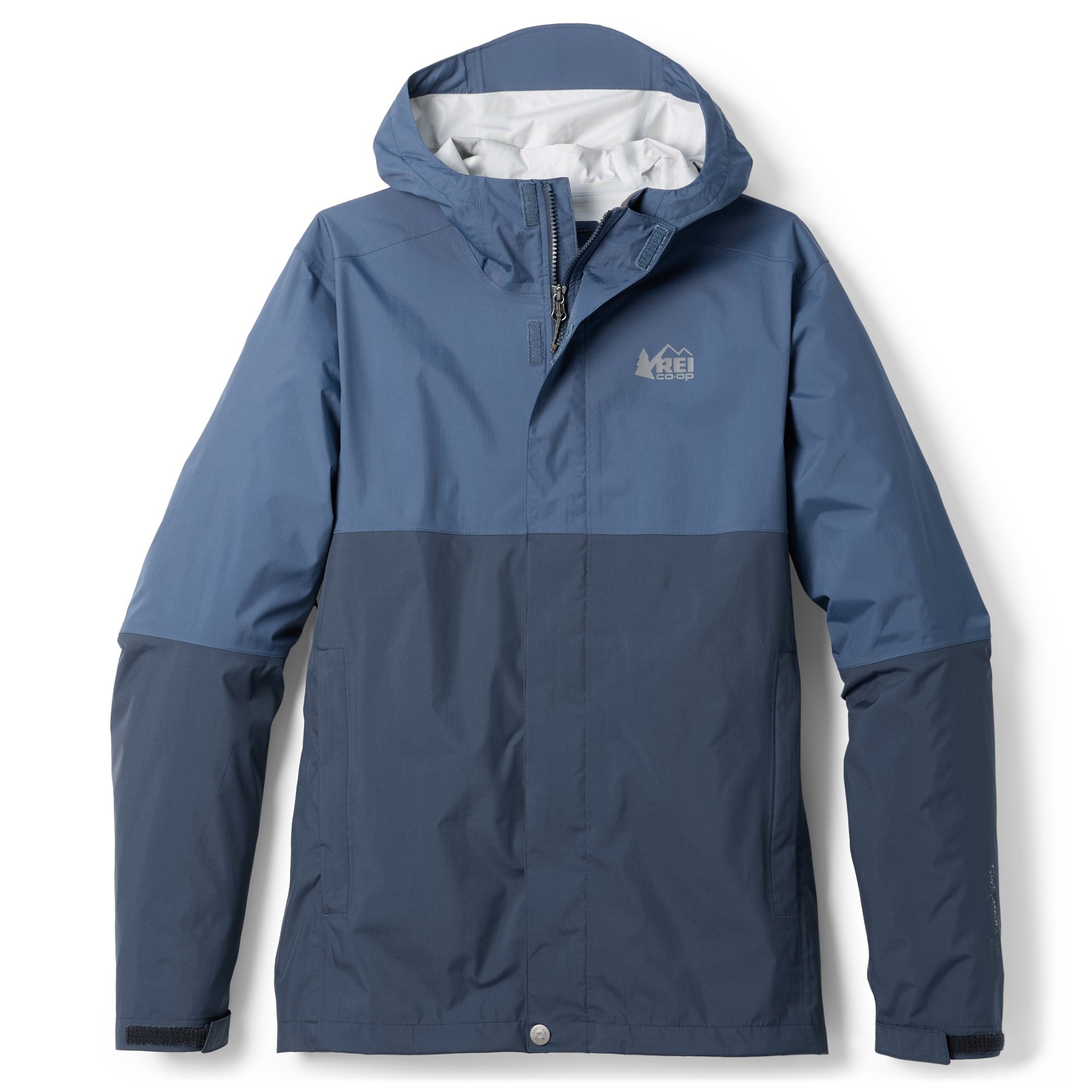
Product Impact, an initiative of ERG's Product Impact Group, exists to make product level emissions data easier to create, verify with a third party, publish, and use. Led by ERG vice president Stacy Smedley, the group builds the tools, data systems, and disclosure methods that let brands, governments, and researchers see the environmental footprint behind the things people make and buy. Product Impact ran a pilot to find out whether the path from raw materials data to a verified emissions disclosure, aligned with the applicable PCR, could be made fast and repeatable enough to scale past a single product. We started with one rain jacket.
The Challenge: one verified product doesn't automatically mean a second one
Brands want to report accurate, product level emissions data, but the route from materials information to a verified disclosure is typically slow, expensive, and hard to repeat. Every new product usually means rebuilding the model from scratch, negotiating a fresh scope with a verifier, and hoping the results end up in a format anyone else can use. That fragmentation shows up even inside a well coordinated pilot.
The Solution: one LCA model built to be reused
CarbonGraph took rain jacket materials information, along with supplier and manufacturer specific inputs across the jacket's full life cycle, and translated it into a parameterized template LCA model aligned with the PCR. The model wasn't built as a one time calculation. It was structured so it could be refined, securely shared, verified by a third party, and then reused as a template. That means a second rain jacket brand could run its own product specific data through the same rules-based process without starting over.
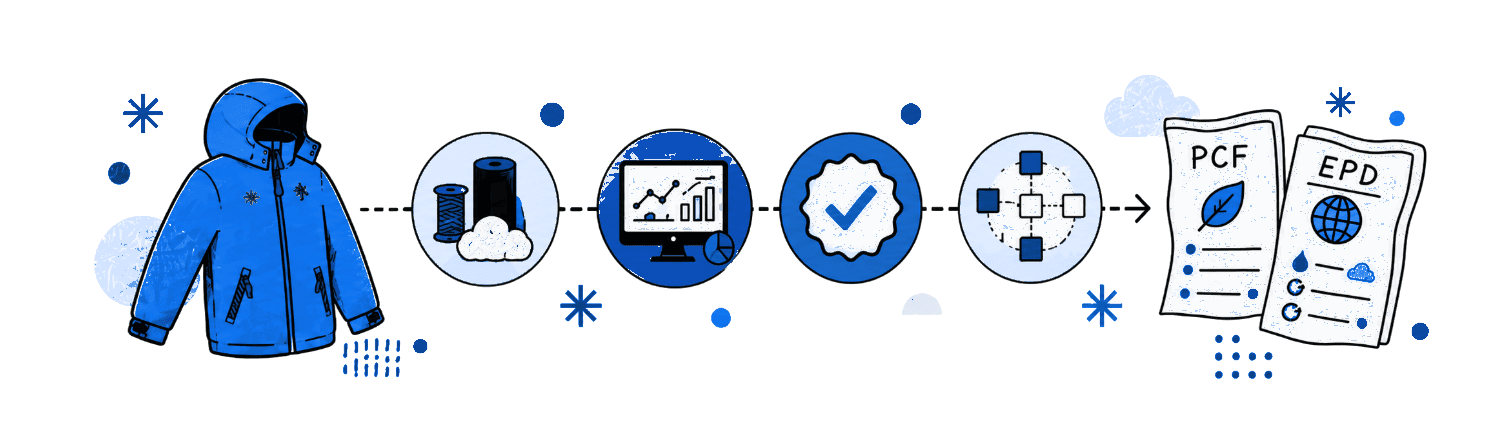
Smart EPD and Embodied Carbon Solutions supported the path from modeled results to third party verification for both the EPD and the PCF, confirming the model met requirements in the applicable PCR. Along the way, the model's results underwent third party PCF validation, and Smart EPD produced a draft pilot EPD, delivered as a PDF and a JSON file inside its platform, so product manufacturers could review a working example before committing to the cost of formal verification and publication.
Once verified, Product Impact structured the PCR, PCF, and EPD results into standard digital schemas, so the outputs, and the rules behind them, can be aggregated, exchanged, and surfaced across platforms, including Product Impact's own pi tool, rather than staying siloed inside any one partner's system.
What the pilot actually proved
The point wasn't just to study one jacket. It was to test a four step process from start to finish and confirm each step held up:
An LCA model aligned with the PCR that captured full materials and supply chain data, not a simplified substitute
Third party PCF validation of the model's results, completed before any decision on formal publication
A draft EPD, delivered as both a PDF and a JSON file, ready to review inside Smart EPD's platform
A structured, reusable schema so verified results can move between platforms instead of staying locked in one
That combination gives product manufacturers like REI concrete proof points for a successful run from start to finish: a validated PCF and a reviewable draft EPD. It also means the CarbonGraph model built for this one jacket is now a starting point that's already verified: another rain jacket brand can plug in its own bill of materials data and follow the same path, without starting the process from zero.
Looking Ahead: from one jacket to whatever comes next
The case for this pilot was never really just about rainwear. It was about whether a rules-based, third party verified workflow could hold up beyond one product. Because if it can, the same approach applies to any brand willing to bring its own materials data to the table. That's the scale question this pilot was built to answer, and the team believes the answer is yes. The process doesn't need to change for a new brand or product category; only the applicable rules and material inputs do. The rain jacket pilot summary is available at productimpact.info.
Want to run your own pilot?
This process is now proven, not theoretical. If you make rain jackets and want a PCF or EPD of your own, verified by a third party and aligned with the PCR, CarbonGraph and ERG's Product Impact team can walk you through the same process REI did, starting with your own bill of materials data. Contact us to start a pilot.